Oscilloscopes, spectrum analyzers, power supplies and other test instruments can have front-panel controls, connectors and accessories that need individual attention. A useful shipping plan starts with the actual model, condition and handling instructions, not a standard box chosen from a picture.
1. Identify and document each instrument
Record the manufacturer, model, quantity and serial number if your organization uses it for tracking. Photograph the front, rear, sides and base before the item is packed. Note existing damage, loose panels, projecting knobs and connectors. Keep customer information and credentials out of the photos and request.
List probes, power cords, adapters, modules and manuals separately. Label accessories so the recipient can match them to the instrument. If a part is removable, follow the manufacturer instructions and ask a qualified person to prepare it; do not assume every module should be removed.
2. Prepare the instrument for handling
The owner or a qualified technician should power down and disconnect equipment before pickup. Check the manufacturer instructions for transport locks, sensitive assemblies and orientation requirements. Do not improvise a procedure for internal components, alignment or calibration. ProHuber does not provide calibration or data destruction.
Confirm that the item contains no batteries, chemicals or other hazardous contents before requesting handling. If you are unsure what is inside an instrument, tell us before arranging pickup so eligibility can be reviewed.
3. Plan protection around vulnerable parts
Share close-up photos of the screen, front panel, exposed connectors, handles and other projecting parts. Separate loose accessories so they cannot strike the equipment. Discuss suitable cushioning, separation and an appropriately sized outer package for the actual weight and shape. Original packaging can help inform the plan, but its condition and suitability should still be checked.
For sensitive electronics, tell the packing team about static-sensitive components and manufacturer requirements. Anti-static material is not a substitute for cushioning or structural support. A heavy instrument, multiple units or an unstable base may need a different handling method from a light parcel.
4. Decide how the packed equipment will leave
For eligible parcels, confirm the final packed dimensions and weight before the customer obtains a UPS, FedEx or USPS label. A pallet or large shipment needs a separately arranged freight carrier, or the customer may ask us to help identify one. Carrier rules, accepted items and service availability must be checked with the carrier.
For an auction purchase, include the lot number, paid invoice or release instructions, site contact and removal deadline. Tell us about stairs, door widths, loading docks and forklift availability. Our auction equipment pickup checklist explains the release information to collect.
5. Request a scope based on the actual item
Send photos, model, quantity, approximate dimensions and weight, pickup city and access conditions. We can review equipment pickup, protective packing and, where appropriate, palletizing. Storage is separately agreed. ProHuber does not manufacture custom crates, provide shipment insurance or guarantee carrier transit outcomes.
Request a quote with the equipment details and the desired handoff date. Availability and price are confirmed for each job.
Examples from equipment packing
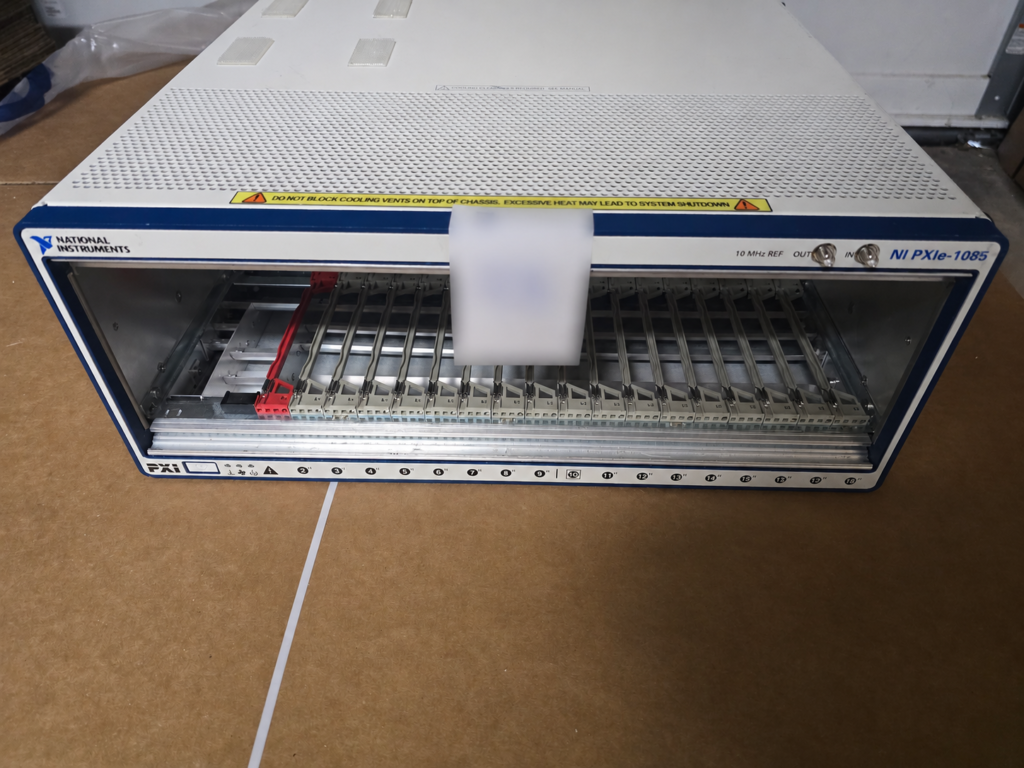
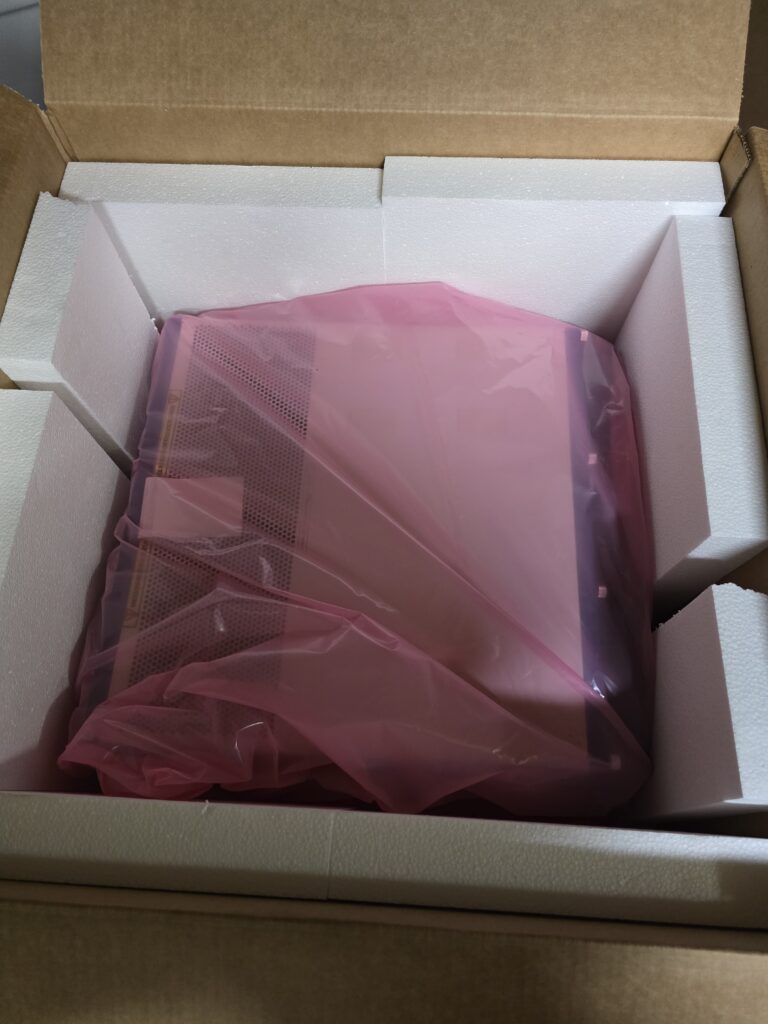
These photographs show separate examples: an electronic instrument documented before packing and equipment positioned inside a protective bag in a cushioned box. They are not presented as before-and-after photographs of the same shipment.
When planning a similar job, we review the item’s weight, exposed controls and connectors, loose accessories, suitable cushioning and site access. For a carrier handoff, the agreed plan should identify who supplies the shipping label or arranges freight and should use the final packed dimensions and weight. The photographs alone do not document a completed delivery or a particular carrier.